 Mattresses
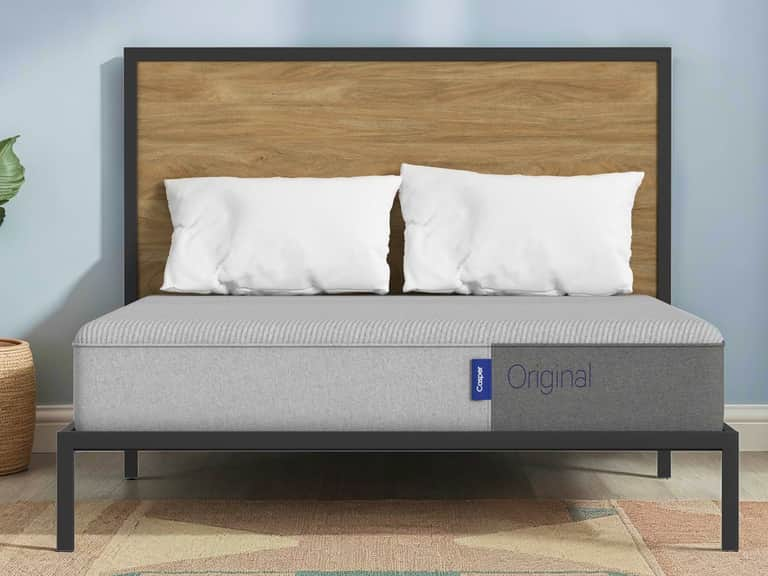
Original Mattress
Sleep cooler and supported all night with breathable Casper Signature Foam, pressure-relieving memory foam, and 3-zone Zoned Support for ergonomic spinal alignment and balanced comfort.
Foam mattresses are designed to provide body-conforming support with varying densities to balance pressure relief and support. In this category, you’ll find how foam composition, memory foam, and transitional layers influence spinal alignment, motion isolation, and durability. Understanding the material structure helps assess suitability for different sleep positions and weight ranges while considering heat retention and breathability features.
Open-cell and gel-infused foams are commonly used to enhance airflow and temperature regulation, reducing heat buildup during the night. The Element Mattress line emphasizes zoned support and a balanced feel, combining comfort layers with a sturdy core to maintain shape. These design choices impact durability, edge support, and overall sleep quality across sleeping styles.
Pressure relief is a key benefit of foam mattresses, particularly for side sleepers and those with sensitive joints. High-density foam layers distribute weight evenly, while transition foams help prevent sinking in too deeply. Understanding firmness options, density, and contouring depth aids in selecting a model that aligns with personal comfort preferences and ergonomic needs.
Foam mattresses can be a practical choice for compatibility with different bed frames and adjustable bases, as their consistent support can adapt to varied foundations. The Element Mattress series demonstrates how layering and packaging affect ease of handling, setup, and long-term performance, with attention to motion isolation and minimizing partner disturbance.
Informed choices about bedding compatibility—such as within bedding, pillows, sheets, and organic options—support holistic sleep ecosystems. For families seeking organic options, consider how organic crib mattresses and related bedding components integrate with foam constructions. This category highlights material science, durability, and functional benefits across the Element Mattress lineup.
Mattresses
 Mattresses